
Condo vs. Freehold in Toronto: What You Need to Know Before Deciding
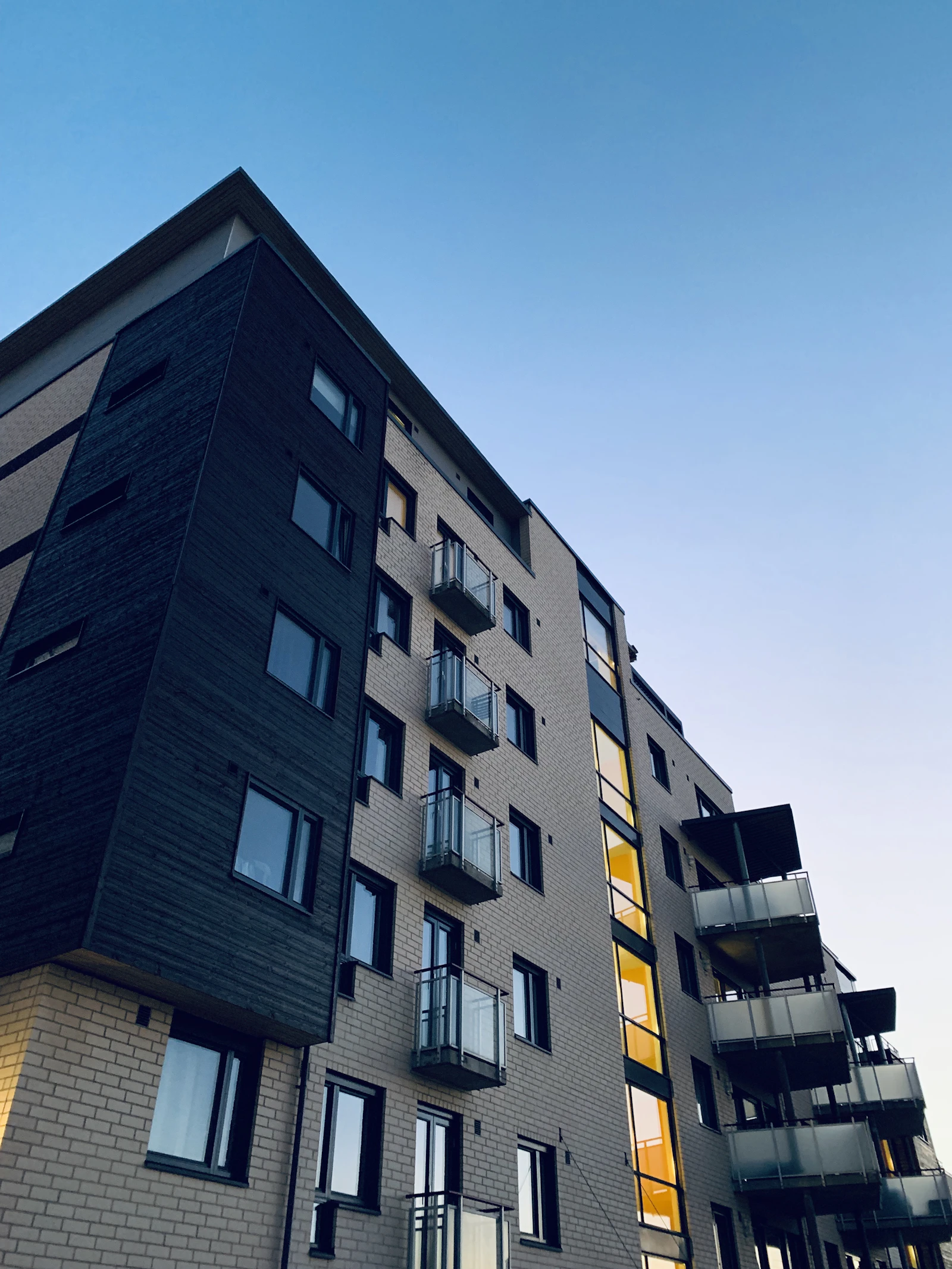
For most Toronto buyers, the question of condo versus freehold comes up early and decisively shapes everything that follows. The price gap is significant. So is the difference in what you are actually buying.
Here is how to think through the decision honestly, beyond the surface-level comparison.
What you are actually buying in each case
With a freehold property, you own the building and the land. Maintenance decisions, capital improvements, and the ongoing costs of the structure are entirely yours. So is the upside.
With a condo, you own the unit. Everything beyond the walls, the elevators, the lobby, the roof, the parking structure, belongs to the corporation and is managed collectively. You pay monthly fees to fund that. You have a vote but not unilateral control.
Neither is inherently better. They are different relationships with property.
The maintenance fee question
Condo fees get a bad reputation that is sometimes deserved and sometimes not. A well-run building with a healthy reserve fund and professionally managed maintenance will have fees that reflect the actual cost of running the building. That cost is real whether you are in a condo or a freehold. In a freehold, you pay it in irregular bursts: a new roof, a furnace, a driveway. In a condo, you pay it monthly.
The question is not whether fees are high or low in absolute terms. It is whether the building is being run well and whether the reserve is adequate.
Space, neighbourhood, and what you can actually afford
In most Toronto neighbourhoods, a comparable-sized freehold costs meaningfully more than a condo. For buyers who have a specific neighbourhood as a priority and a fixed budget, the condo may be the only way in.
That is a legitimate reason to buy a condo. It is not settling. It is a real estate decision that many buyers in this city make strategically and do very well with over time.
Lifestyle considerations that often get overlooked
Condos restrict what you can do. Renovations require approval. Some buildings restrict short-term rentals. Noise travels differently in a multi-unit building. Parking and storage are not guaranteed.
Freeholds give you control and outdoor space, but also full responsibility. A leaky basement is your problem, entirely.
Know which version of that trade-off suits you before you start making offers.
Investment angle
Freehold land appreciates differently than condo units. Toronto has a finite supply of freehold lots in walkable, transit-connected neighbourhoods, and that scarcity has historically driven strong land value appreciation.
Condos in oversupplied buildings or in areas with significant new development coming can face headwinds. In undersupplied, established buildings in desirable locations, they can perform very well.
The investment case depends heavily on the specific property, not the category.